



“According to Dickens, the first rule of human nature is self-preservation and when I forgive him for writing a character as pathetic as Oliver Twist, I’ll thank him for the advice.”
Last week, I wrote about the power of self-preservation, in ourselves and our characters, and how the need to protect our secret wounds can drive a book through secrets, lies, and mistakes. Self-preservation forces our characters to act, and characters who act are engaging and interesting to read about. The fact that it is self-preservation making them act makes them relatable, and if it is self-preservation arising from a character’s deepest emotional wound, you may have a recipe for a compulsively readable story.
Keep the Wound a Secret
The trick to a convincing wound is in building the backstory that created the emotional wound and in making the character respond to everything in the story through the filter of that wound. But the very fact that a wound is usually a secret makes it more powerful. Any kind of mental or emotional health issue is so often kept secret because any damage that isn’t visible is stigmatized. If you fall off a bicycle as a child or break a bone playing football or in gymnastics, the bandages and casts are worn like a badge of honor. If a veteran comes home from Afghanistan with a bullet wound or physical hurt, they are given a Purple Heart. But what about the wounds that people don’t see? The wounds that stem from words that shred our sense of safety or self, or the images that can’t be forgotten? From experiences that replay in our heads on constant loops?
Establish How Ripping off the Bandage Would Have Been Healthier
Think of Your Character’s “Arc” as the Story of Her Emotional Infection
1. How did your character get the wound?
- What happened to give your character a skewed or warped view of herself and the world around her?
- Who caused the incident?
- What trusted person/people did she tell or not tell about it?
- How did those people react or fail to react in a way that caused her to cover up the wound?
- They are persistent.
- They cause great emotional pain or distress.
- They disrupt the course of a person’s life in some way.
2. How does the wound change the way your character sees herself and the world around her?
- What is the lie your character believes as the result of her wound?
- How does this lie stem directly from the wound?
- What defense mechanisms does she use to protect herself from the truth of the lie?
- What masks does she wear to keep people from seeing her as she really is?
- How has this lie changed her life before the story begins?
- What situations does she avoid because of her wound?
- What does she refuse to talk about or thinking about?
- What has she forgotten as a means of self-protection?
- How has the lie held your character back?
- What has it deprived your character of?
- What events has that lie created that reinforced the lie?
- Who has it brought into her life and who has it ripped away?
- What are the triggers that cause her to react to preserve her delusion or make her act in ways that bring the lie into the forefront?
3. What are the costs of security versus risk within your story?
To protect themselves. To protect someone else. It is all in the way that you look at the
situation.”
- What change needs to occur for your character?
- What TRUTH does she need to accept that will help her to finally heal?
- What choice or challenge does she face that she will fail unless she can demonstrate acceptance and mastery of that truth?
- What is she trying to protect and what will she risk to protect it?
- What are the stakes for failure? What will she lose that she can’t bear to lose?
- What are the benefits of success? What does she stand to gain?
- What are the building blocks of recovery? What are the steps she takes in ripping off the bandaid?
- What secrets does she keep from other characters as a result of her wound?
- What lies does she tell because of her wound?
- What mistakes does she make because of her wound?
- What are the consequences of those secrets, lies, and mistakes, and how do they lead to the bandaid finally being ripped away?
- Who helps her in spite of or because of her wound? How?
- Who holds her back or provides an emotional crutch that keeps her weak and delusional?
Read More about Emotional Wounds
What Do You Think?
About the Author
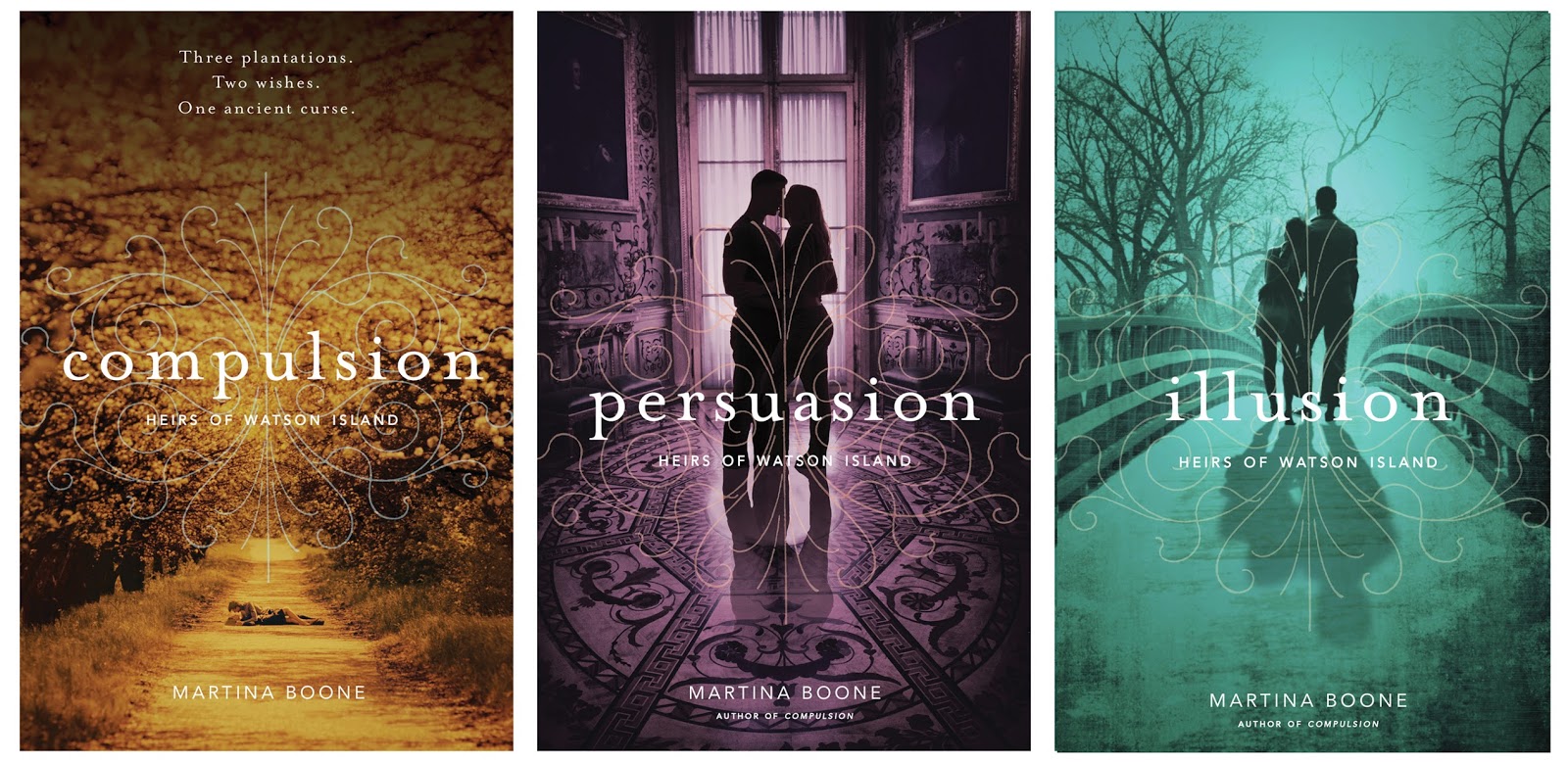 Martina Boone is the author of Compulsion and Persuasion, out now in the romantic Southern Gothic Heirs of Watson Island trilogy from Simon & Schuster, Simon Pulse. Illusion, the final book, will be out in October of 2016. Martina is also the founder of AdventuresInYAPublishing.com, a three-time Writer’s Digest 101 Best Websites for Writers Site, and YASeriesInsiders.com, a site dedicated to encouraging literacy and reader engagement through a celebration of series literature. She’s on the Board of the Literacy Council of Northern Virginia and runs the CompulsionForReading.com program to distribute books to underfunded schools and libraries.


